Home » Blog » Understanding Dental Implants

dental health blog

Understanding Dental Implants: Candidacy and Recovery

By Dental Planet, Indore · Published 20 September 2026

Dental implants are one of the most reliable ways to replace missing teeth, but they are not right for everyone and they need time to heal. This guide explains who is usually a good candidate, what recovery involves and when to contact your dentist.

Written by the team at Dental Planet, a dental clinic in Indore led by Dr. Ankur Vatsal (MDS) and Dr. Khushboo Barjatya Vatsal (MDS).

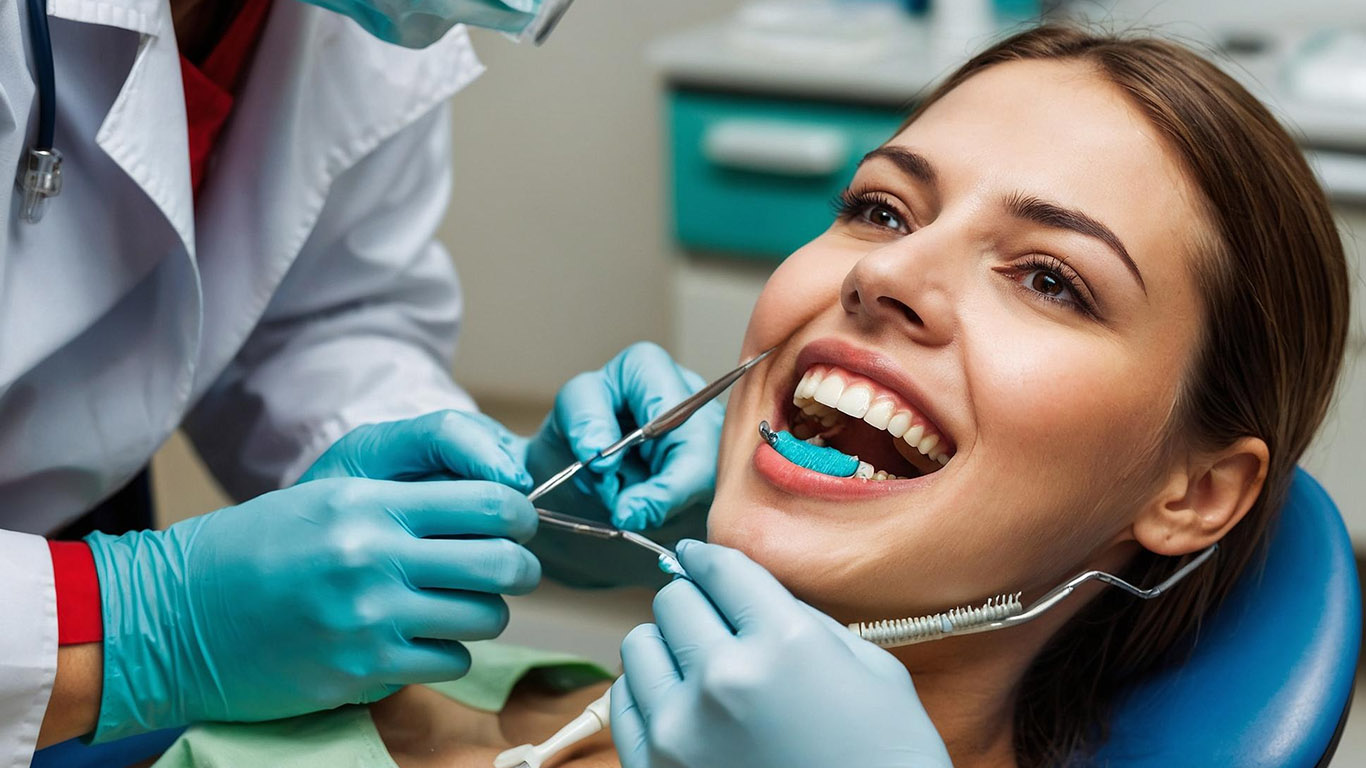
Dental implant model beside a dentist's tools

Key Takeaways

  • A good candidate usually has healthy gums, enough jawbone and good oral hygiene.
  • Smoking, untreated gum disease and some medical conditions can affect healing, and a dentist assesses each case individually.
  • Mild swelling and soreness for a few days is common, and your dentist will tell you how to manage it.
  • The bone needs weeks to months to bond with the implant before the final crown is fitted.
  • Severe pain, spreading swelling, fever or an implant that feels loose are reasons to call your dentist.

Who Is a Good Candidate for Dental Implants?

  • You are missing one or more teeth, or your dentures are loose and uncomfortable
  • Your gums are healthy, or any gum disease has been treated first
  • You have enough jawbone, or bone grafting is possible to build it up
  • You keep your mouth clean and are willing to attend regular check-ups
  • You do not smoke, or you are willing to stop
  • Your general health is stable

Being a good candidate is not about age alone. Healthy adults of many ages can be considered, and your dentist confirms suitability after an examination and X-rays.

Factors That May Need Extra Care

These do not always rule out implants, but they can affect healing, so tell your dentist about them.

  • Gum disease that has not been treated
  • Smoking or chewing tobacco, paan or gutkha
  • Diabetes that is not well controlled
  • Previous radiation treatment to the jaw
  • Medicines that affect bone, such as some treatments for osteoporosis or cancer
  • Teeth grinding, which can put extra force on implants

How Is Suitability Checked?

Your dentist examines your teeth and gums, reviews your medical history and medicines, and uses X-rays to see how much healthy bone you have. At Dental Planet, implants are planned digitally so that the position and size of each implant can be worked out before treatment begins.

You can read about the whole treatment on our page on dental implants in Indore.

What Is Recovery Like?

Recovery differs from person to person, so treat this as a general guide and follow your own dentist's instructions.

  • The day of surgery: the area stays numb for a few hours. Some light oozing is normal, and you will be told how long to bite on gauze.
  • The first few days: swelling, bruising and soreness are common. Cold compresses, soft cool foods and any medicines your dentist prescribes help, and smoking should be avoided.
  • The first one to two weeks: discomfort settles. Stitches, if used, are removed or dissolve, and you keep to soft foods and avoid chewing on the implant site.
  • Weeks to months: the jawbone gradually bonds with the implant. The time this takes depends on your bone and whether grafting was needed.
  • The final crown: once healing is complete, the crown, bridge or denture is fitted, followed by check-ups to make sure everything is comfortable.

Tips for a Smooth Recovery

  • Follow your dentist's aftercare instructions exactly and take medicines as prescribed
  • Use a cold compress on the face during the first day if you are advised to
  • Eat soft, cool foods at first and chew on the other side
  • Avoid smoking, and avoid strenuous exercise for the first few days if advised
  • Keep your mouth clean by brushing gently and rinsing as directed
  • Attend every follow-up appointment

When to Call Your Dentist

  • Severe pain that gets worse after the first few days
  • Swelling that spreads, or a fever
  • Bleeding that does not stop with gentle pressure
  • An implant or crown that feels loose
  • A bad taste or pus around the implant

Difficulty breathing or swallowing needs emergency medical care. For ongoing care of an implant, see our dental implants in Indore page, or read about crowns, bridges and dentures if a bridge or denture is planned.

Related Dental Services at Dental Planet

thinking about dental implants?

Book an implant consultation at Dental Planet, Indore, and find out whether implants are right for you. Call +91 93016 65066.
keep reading

More Dental Health Guides from Dental Planet

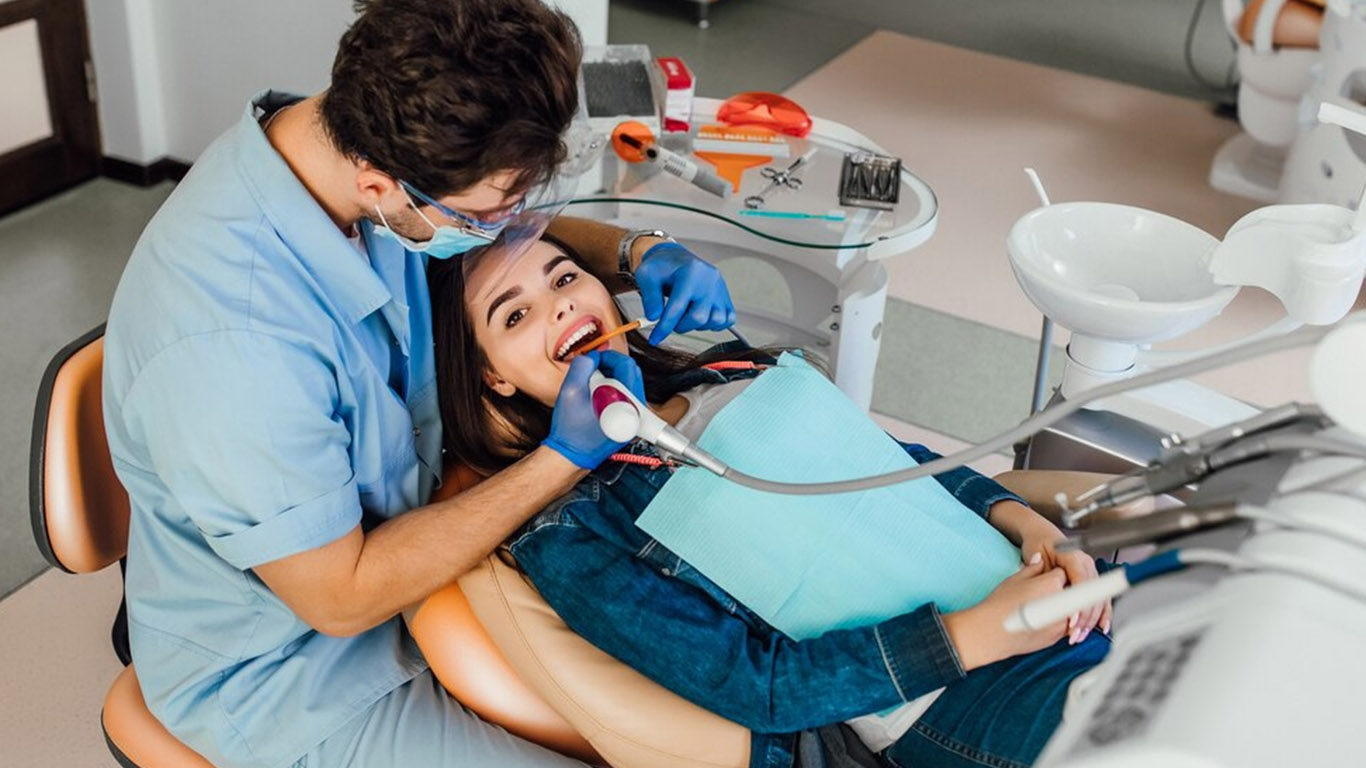
Dentist examining a patient during a routine dental check-up

Regular Dental Check-Ups: Why They Matter and How Often You Need Them

Why routine visits catch problems early, how often you should go and which warning signs should not wait.
read more about regular dental check-ups
Dentist checking a patient's teeth shade before teeth whitening

Professional Teeth Whitening vs Home Kits: Which Is Safer?

How whitening toothpastes, home kits and professional treatment compare on safety, results and sensitivity.

read more about teeth whitening vs home kits

contact dental planet, indore

Get Free Professional Consultation

Mon to Sat 10:00 AM to 2:00 PM & 4:00 PM to 8:30 PM


Sunday 10:00 AM to 1:00 PM (by appointment)